How Stean Gorge is home to some of the most fascinating types of caves in the UK, including the intricate solutional caves like Goyden Pot and the historic Tom Taylor’s Cave. Explore the hidden wonders beneath the Yorkshire Dales and discover what makes each cave type so special!
7 Types of Caves ????
1. Solutional Caves
Solutional caves are the most common type, formed by the dissolution of soluble rocks such as limestone, dolomite, or gypsum. Rainwater, slightly acidic due to carbon dioxide in the atmosphere, seeps into the ground, dissolving the rock and creating vast networks of tunnels and chambers.
How Stean Gorge’s Goyden Pot is an excellent example of a solutional cave, offering a thrilling underground adventure through twisting passageways and expansive chambers.
Join our guided caving activities at How Stean Gorge to experience the wonders of solutional caves. Our expert guides will lead you through the intricate passages of Goyden Pot, ensuring a safe and unforgettable journey.
2. Lava Tubes
Lava tubes are formed during volcanic eruptions when the outer layer of flowing lava cools and solidifies, while the molten lava beneath continues to flow. When the lava flow ceases, it leaves behind a hollow tube.
Lava tubes are predominantly found in volcanic regions. Some of the most famous examples include the Thurston Lava Tube in Hawaii and the Kazumura Cave, also in Hawaii.
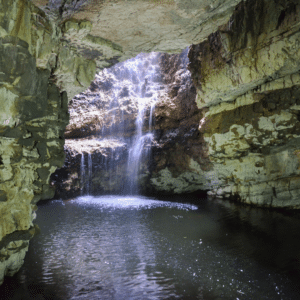
3. Sea Caves
Sea caves are formed by the powerful erosive forces of waves crashing against coastal cliffs. Over time, these waves carve out caves, often leading to spectacular openings and chambers with stunning views of the ocean.
The UK’s Smoo Cave in Scotland is iconic example of a sea cave, featuring a large entrance and an internal waterfall.
4. Glacier Caves
Glacier caves are formed within glaciers by meltwater that carves tunnels through the ice. These caves are known for their stunning blue ice walls and constantly changing structures.
Glacier caves are most commonly found in polar and alpine regions, with famous examples including the ice caves of Iceland and the Mendenhall Ice Caves in Alaska.
5. Talus Caves
Talus caves form when large boulders or rock debris pile up, creating hollow spaces or tunnels between them. These caves are often small but can be labyrinthine and challenging to navigate.
Talus caves are found in mountainous regions, with notable examples including the talus caves of Pinnacles National Park in California.
6. Fracture Caves
Fracture caves are created by the cracking and fracturing of rocks due to tectonic forces. These caves can vary widely in size and shape, often featuring deep, narrow crevices.
Fracture caves are found in areas with significant tectonic activity so they aren’t in the UK. At How Stean Gorge, the Simpsons & Swinsto Pot caves offer a similar experience, with dramatic vertical drops and narrow passageways that challenge even the most experienced cavers.
7. Speleothems
While not a cave type, speleothems are the stunning mineral formations found within caves, such as stalactites, stalagmites, and flowstones. These formations are created by the slow deposition of minerals from dripping water over thousands of years.
Speleothems are found in many solutional caves around the world. The White Scar Cave in the Yorkshire Dales is known for its impressive stalactites and stalagmites.
Caving Adventures at How Stean Gorge

At How Stean Gorge, our caving adventures offer a thrilling experience for all levels of explorers. Guided by our expert instructors, you’ll navigate through a network of underground passages, including the famous Goyden Pot and Tom Taylor’s Cave.
Whether you’re squeezing through tight gaps, climbing over boulders, or discovering ancient rock formations, each caving trip is tailored to ensure both safety and excitement. It’s an exhilarating way to connect with the natural wonders hidden beneath the Yorkshire Dales.
Cave Camping Experience
For those seeking a truly immersive adventure, our Cave Camping experience takes caving to the next level. After a day of exploring, you’ll set up camp deep within the caves, surrounded by the quiet solitude of the underground.
Equipped with all necessary gear, you’ll spend the night in a cosy cave camp, and wake up to a hearty breakfast from our on-site cafe, before continuing your adventure. It’s a unique opportunity to experience the caves in a way few others ever will, combining the thrill of exploration with the serenity of nature’s hidden depths.
If you enjoyed this guide on the different types of caves, why not give one of our other blogs a read here.
Click here to view our whole range of exciting outdoor activities or get in touch today to speak to our team – 01423 755666

